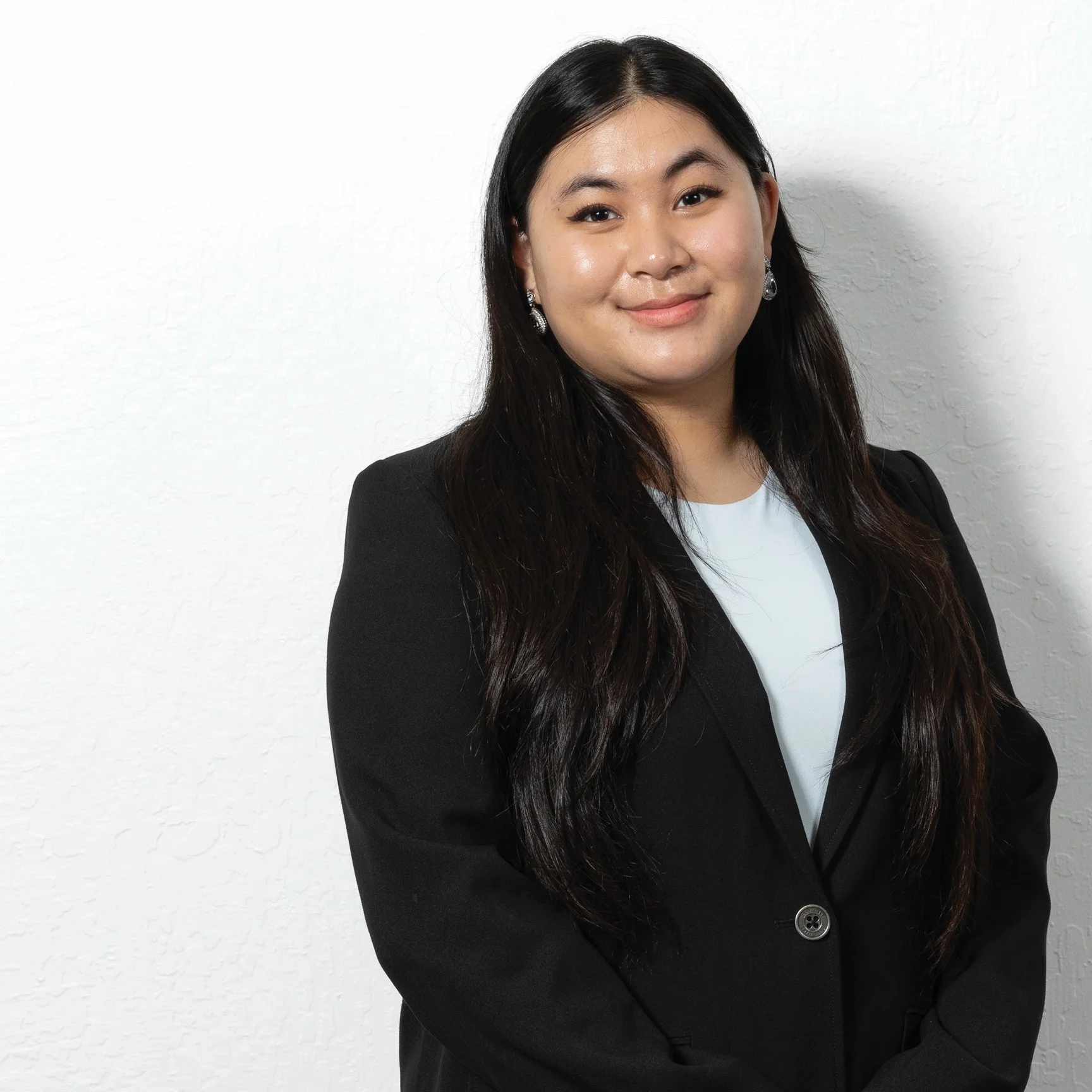
Spring 2024 Fellow
Evelyn Tran
SAN JOSÉ STATE UNIVERSITY
Financial Accounting Advisory Analyst
(FAAS) Staff, EY

2026
Impact Report
2025-2026 School year
Together with our higher education and employer partners, we’re proving what’s possible when you empower the next generation of leaders with the skills, networks, confidence, and experience necessary to launch a strong career.


Chris Joyce
What does this report cover?
Across the country, Braven and our dedicated partners are turning the promise of economic mobility into reality, one Fellow at a time.
We're on a path to reach 80,000-100,000 students by 2032, at which point we'll welcome 25,000 new Fellows annually into a proven model that builds the career-readiness skills, networks, and experience that careers are built on.
To date, more than 17,000¹ Fellows have come through Braven's doors, and the momentum is only growing. This report takes a close look at what that momentum means in practice, through the lens of five questions that get to the heart of our work:
Why our work matters
Only about one quarter of the low-income or first-generation college students who enroll in college each year will graduate and secure a strong first job or enroll in graduate school.²
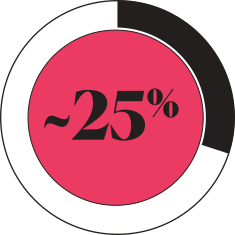
That’s about one million students every single year who aren’t on the path to the American Dream.

Mission
In collaboration with our higher education and employer partners, Braven empowers promising college students with the skills, networks, confidence, and experience necessary to transition from college to strong economic opportunities, which lead to meaningful careers and lives of impact.
Vision
The next generation of leaders will emerge from everywhere.
The Braven Equation
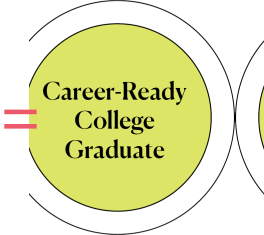
Braven provides career readiness experiences for students earning a four-year degree, ensuring students graduate ready to secure a strong first opportunity. The Braven Equation consists of four career-readiness factors—skills, networks, confidence, and experience—which add up to a career-ready college graduate.
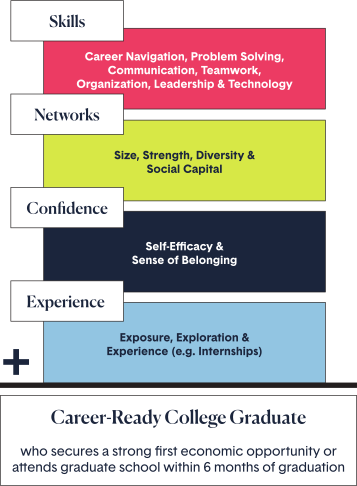
The Braven Experience
Braven equips promising college students on their paths toward quality economic opportunities through a semester-long, cohort-based course—developed with input from our higher education partners and faculty, employer partners, volunteers, and students—and support that extends beyond the course, continuing through six months after college graduation.
In our core higher education model, students take the course for credit. Students who come through BravenX via college success organizations receive a financial stipend in lieu of credit.

Our Higher Education Partners




Launched Fall 2026

Launched Fall 2026




Launched Fall 2026


1
SECTION 1
Are our Fellows securing quality career outcomes that put them on the path to the American Dream?
National Statistics
National Statistics
Pursuing the bachelor’s degree is still the surest path to economic mobility
A bachelor’s degree holder is still employed at a higher rate, has greater job security once employed, and earns more than workers with a high school diploma alone.
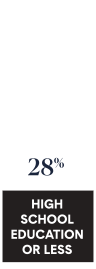
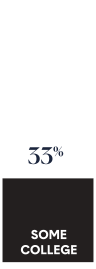
The bachelor’s degree remains a strong predictor of job quality.
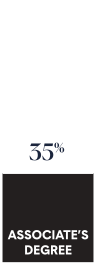
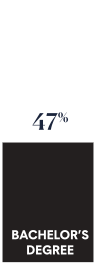
Employees with a bachelor’s or graduate degree are more likely to have quality jobs than those with an associate’s degree, some college, or a high school education or less.³
Percentage of degree completers in quality jobs

Workers with a four-year degree earn 72% more than workers with a high school diploma alone.
Median Economic Outcomes
for Workers AgeS 25-54 with a Bachelor’s Degree ⁴

National Statistics
National Statistics
The opportunity: Translating degrees into career-launching opportunities
The challenge today is not the value of the degree itself, but ensuring students can successfully translate it into career-launching opportunities.
Although the long-term effects of AI on job availability are still emerging, its influence on the job search experience and hiring practices is already evident.
Increase in job applications
In June 2025, LinkedIn reported that the number of job applications increased by more than 45%, and the platform is clocking an average of 11,000 applications per minute.⁵
AI’s impact on job hunting
Twenty-six percent of candidates say AI has made it harder to stand out due to increased competition. Among Gen Z, that number jumps to 45%.⁵
Employers are prioritizing human skill competencies to distinguish the strongest entry-level candidates in an increasingly competitive applicant pool.
These include:⁶

Communication

Critical thinking

Teamwork

Professionalism
These are closely aligned with the seven career-readiness skills Braven helps students develop in the Accelerator course:
The strength of roles that Braven 2025 graduates secured
Of the 112 SJSU Braven Fellows who graduated from college in 2025,
are employed or enrolled in graduate school


secured quality or pathway outcomes
2025 SJSU Braven Graduates


HOW WE DEFINE QUALITY ECONOMIC OPPORTUNITIES⁸
a full-time role that requires a bachelor’s degree and includes some combination of promotion pathways, employee benefits, and a market-competitive starting salary, or enrollment in graduate school
a role that does not require a bachelor’s degree but helps students’ financial sustainability, is aligned with career interests, and will likely lead to more career-accelerating possibilities through skill development
a role that does not require a bachelor’s degree, offers limited runway to additional career-accelerating opportunities, and is not aligned with students’ career interests
When Fellows take Braven during college matters
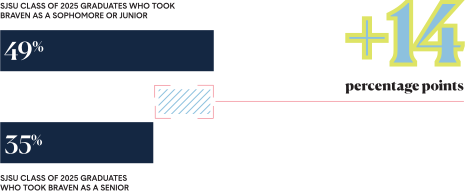
Fellows who take the Accelerator course as a senior have less time to gain career-accelerating opportunities or participate in mentorship—both highly related to attaining a quality outcome prior to graduating and entering the job market.
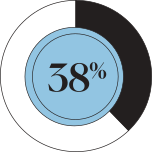
SJSU’s Class of 2025 graduates took the Braven Accelerator as a senior
A greater percentage of students who take the course as a sophomore or junior attained a quality outcome compared to those who took the course as a senior.
SJSU Fellows who had at least one internship 9


Fellow enrollment in graduate school
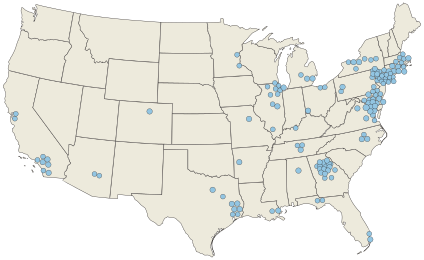
Enrollment in graduate school is one of the ways Braven defines a quality outcome.
27%
of the 2025 graduates continued on to graduate school within six months of graduation.¹⁰
BROWSE THE MAP BY CLICKING THE ARROWS BELOW
Agnes Scott College
Alfred University
American University
Arizona State University
Augusta University
Aurora University
Bank Street College of Education
Barry University
Baruch College
Baylor University
Boston University
Brooklyn College
Brown University
California State University, Long Beach
Capella University
Carnegie Mellon University
Case Western Reserve University
Central Georgia Technical College
City University of New York
Clark Atlanta University
Columbia University
DePaul University
Drexel University
Duke University
Emory University
Emory University Nell Hodgson Woodruff School of Nursing
Emory University Rollins School of Public Health
Emory University School of Medicine
Faulkner University
Fisk University
Florida A&M University
Florida State University
George Washington University
Georgetown University
Georgetown University Law Center
Georgia College & State University
Georgia Institute of Technology
Georgia State University
Grand Canyon University
Harvard University
Howard University
Howard University School of Law
Hult International Business School
Illinois Institute of Technology
Illinois State University
Johns Hopkins University
Johns Hopkins University School of Medicine
Kean University
Kennesaw State University
La Sierra University
Lamar University
Lehman College
Loyola University Chicago
Massachusetts Institute of Technology
Meharry Medical College
Mercer University
Mercy University
Michigan State University
Mitchell Hamline School of Law
Montclair State University
Morehouse College
Morehouse School of Medicine
Morgan State University
National Louis University
New Jersey Institute of Technology
New York University
New York University Tisch School of the Arts
Newman University
Northeastern University
Northern Illinois University
Northwestern University
Old Dominion University
Palo Alto University
Philadelphia College of Osteopathic Medicine
Rensselaer Polytechnic Institute
Rice University
Russell Sage College
Rutgers Business School
Rutgers New Jersey Medical School
Rutgers School of Public Health
Rutgers University-New Brunswick
Rutgers University-Newark
Saint Joseph’s University Philadelphia College of Pharmacy
San Diego State University
San José State University
Savannah College of Art and Design
Seton Hall University
Seton Hall University School of Law
Sotheby’s Institute of Art
Southern Illinois University Carbondale
Southern University Law Center
Spalding University
State University of New York at Brockport
Stevens Institute of Technology
Stony Brook University
Syracuse University
Teachers College, Columbia University
Temple University
Texas Southern University
The City College of New York
Towson University
Tufts University
Tufts University School of Medicine
Tulane University
University of Alabama at Birmingham
University of Arkansas
University of California, Irvine
University of California, Los Angeles
University of California, San Diego
University of Cincinnati
University of Colorado Boulder
University of Connecticut
University of Delaware
University of Georgia
University of Houston
University of Houston Law Center
University of Illinois at Chicago
University of Illinois at Urbana-Champaign
University of Maryland
University of Maryland, Baltimore County
University of Massachusetts Boston
University of Miami
University of Michigan School of Public Health
University of Michigan, Ann Arbor
University of Missouri
University of Mount Saint Vincent
University of North Carolina Adams School of Dentistry
University of North Carolina at Chapel Hill
University of Pennsylvania
University of Pittsburgh
University of Rochester
University of Rochester School of Medicine and Dentistry
University of Southern California
University of Texas at Dallas
University of Texas Health Science Center at Houston
University of the District of Columbia
University of Virginia
Vanderbilt University
Virginia Commonwealth University
William & Mary
Yale Law School
Yale School of Public Health
Yale University
International schools
Alliance Manchester Business School
Imperial College London
King’s College
McGill University
Nanjing University
St. Matthew’s University
University of Kent
University of Manchester
University of Oxford
Illinois
- Aurora University
- DePaul University
Illinois selected


The Braven Equation in action
With Braven’s help, George Draper built the foundation to get on the path to the American Dream.

The Braven experience equipped George with 7 key career competencies: career navigation • leadership • organization • communication • teamwork • problem solving • technology
Leadership Coach Peter Nguyen, Product Support Engineer at Outset Medical, Inc., provided George with 60 hours of mentorship.
“When I first joined Braven at San José State, I was eager to learn, but I had no idea how much this program would shape my future. Braven didn’t just equip me with skills; it empowered me with confidence, direction, and a sense of purpose. The program gave me the tools to navigate the professional world, and more importantly, it gave me the belief that I could thrive in it.”
After the Braven course, George secured a high-quality internship: Market Intelligence Analyst Intern, Beats by Dre


National Statistics
National Statistics
How the job market is shaping up for the Class of 2026
The picture for the Class of 2026 is more nuanced than the headlines suggest. Hiring projections have turned upward and more graduates are finding work more quickly, but unemployment remains elevated.
Encouraging signs for the Class of 2026
Employers project hiring for the Class of 2026 to be up 5.6% compared to last year, according to the spring update from the National Association of Colleges and Employers. ¹²
Top industries hiring: ¹²

Information

Engineering Services

Wholesale Trade

Construction

Miscellaneous Professional Services
Top 5 industries decreasing hiring: ¹²

Utilities

Computer & Electronics Manufacturing

Miscellaneous Manufacturing

Food & Beverage Manufacturing

Chemical (Pharmaceutical Manufacturing)

The college degree makes a difference
Young college graduates faced a 5.6% unemployment rate as of December 2025—higher than the 3.1% for all college-educated workers, but meaningfully lower than the 7.8% facing their same-aged peers without a degree. ¹³


2
SECTION 2
Are we impacting more students while maintaining program quality?
Over 17,000 Braven Fellows served nationwide to date

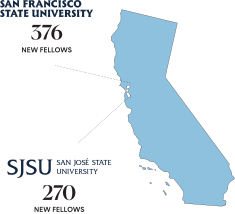
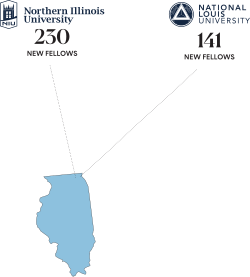
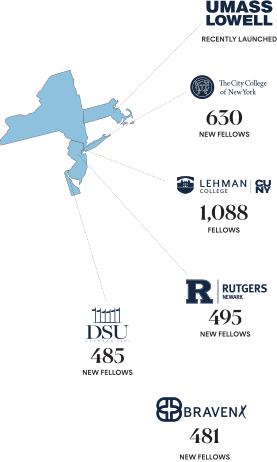
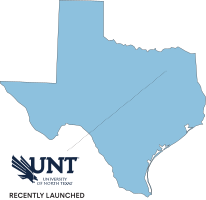
3,818
Braven Fellows supported nationwide during the 2025-2026 school year.
2025-2026 San José State University Braven Fellow Class
270 Fellows completed the Braven course in the 2025-2026 school year at San José State University.
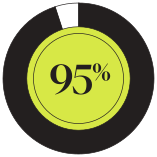
Course pass rate ¹⁴
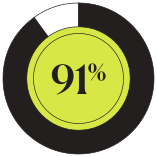
Average final grade
2025-2026 SJSU Fellows are:
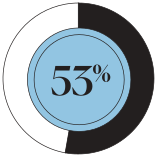
Students who come from low-income backgrounds ¹⁵

First-generation college students ¹⁶
79%
of SJSU Fellows who take the Braven Accelerator Course feel Braven has improved their chances of landing a job a great deal or quite a bit.
53
A widely used customer satisfaction metric on a scale of -100 to 100 that measures how likely a Fellow would recommend Braven to a friend. Above 0 is good, above 20 is favorable, and above 50 is excellent.
Top 5 majors

Data Science

Communication Studies

Business Administration

Economics

Psychology
2025-2026 San Francisco State University Braven Fellow Class
376 Fellows completed the Braven course in the 2025-2026 school year at San Francisco State University.

Course pass rate ¹⁴
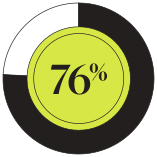
Average final grade
2025-2026 SFSU Fellows are:

Students who come from low-income backgrounds ¹⁵

First-generation college students ¹⁶
73%
of SFSU Fellows who take the Braven Accelerator Course feel Braven has improved their chances of landing a job a great deal or quite a bit.
30
A widely used customer satisfaction metric on a scale of -100 to 100 that measures how likely a Fellow would recommend Braven to a friend. Above 0 is good, above 20 is favorable, and above 50 is excellent.
Top 5 majors
Psychology

Biology

Economics

Business Administration

Criminal Justice

3
SECTION 3
Are we supporting Fellows to secure internships and complete college?
National Statistics
National Statistics
Quality internships during college make a difference
Internships are a critical piece of the college-to-career journey, but the quality of internships matters.
According to National Association of Colleges and Employers, students who take part in a paid internship secure more job offers and earn more than those who participate in unpaid internships. ¹⁷
AVERAGE STARTING SALARIES:
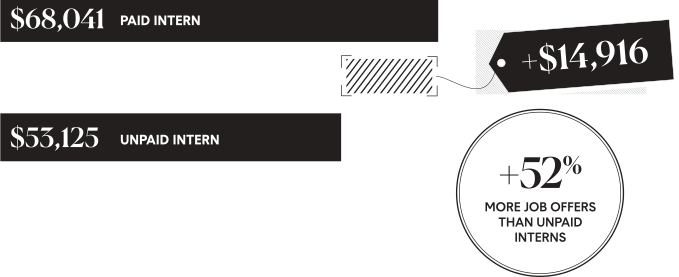
Additionally, those who participated in experiential learning experiences reported faster than expected career progression and higher rates of career satisfaction. ¹⁷


Encouraging levels of internship attainment for SJSU Braven Fellows
For college students, internships serve as critical proof points of experience that open professional doors.
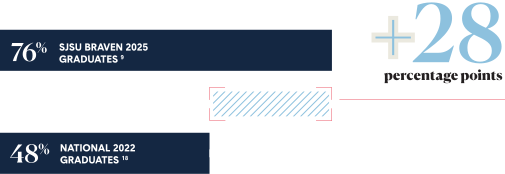
Compared with graduates nationally, SJSU Braven 2025 graduates were 28 percentage points more likely to have at least one internship during their college experience.

Radio Frequency Laboratory Intern,
UL Solutions
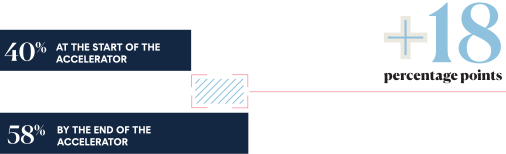
The Braven experience drives meaningful increases in internship attainment
Internships are a key step toward strong career outcomes.
In the 2025-2026 school year, SJSU Braven Fellows saw an 18 percentage point uplift in internship attainment between the start and end of the Accelerator course, speaking to an important element of the immediate impact of the Braven experience.¹⁹
In the 2025-2026 school year, SFSU Braven Fellows saw a 15 percentage point uplift in internship attainment between the start and end of the Accelerator course, speaking to an important element of the immediate impact of the Braven experience.¹⁹
SJSU Fellows who had at least one internship

SFSU Fellows who had at least one internship


The Capitol Hill Fellowship: Creating pathways into public service
Originally launched in 2023 in partnership with The Sheila Y. Oliver Center at Rutgers University-Newark, today the Capitol Hill Fellowship includes 11 undergraduate Braven Fellows from seven university partners. These Fellows are placed in congressional offices or policy organizations in Washington D.C.
The Program is designed to give Braven Fellows access to public service careers through a comprehensive nine-week Fellowship experience. Fellows receive fully covered housing, transportation, a professional wardrobe stipend, and a generous living allowance. They also receive personalized coaching, mentorship, and career development support from Braven and higher education partners.

Karolinna Abella
Rep. Lois Frankel (FL-22)
Daniel Cortez
LatinoJustice PRLDEF
Kelsey Deleon
Rep. Frank Pallone Jr. (NJ-06)

Azajah Green
Rep. Nikema Williams (GA-05)
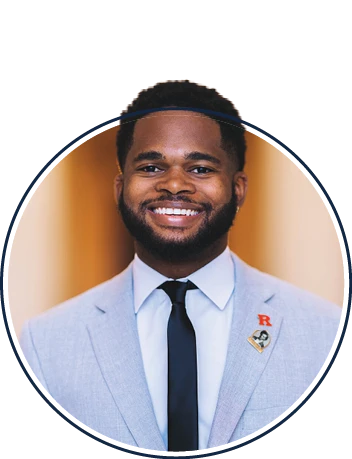
Adrian Henry
Rep. Herb Conaway Jr. (NJ-03)
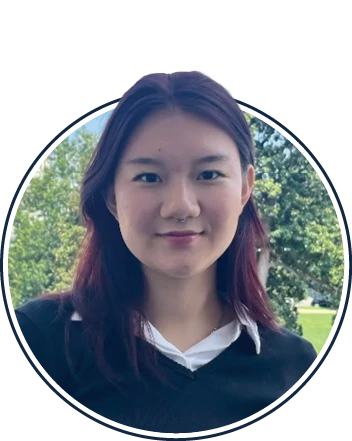
Julie Jang
House Committee on Education and the Workforce
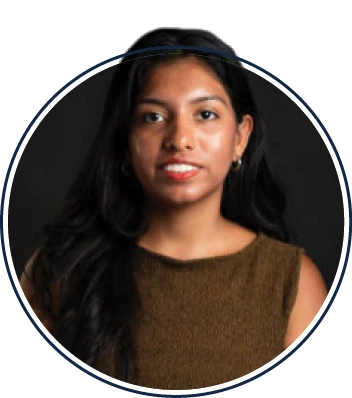
Amanda Miranda
Rep. Nydia Velázquez (NY-07)
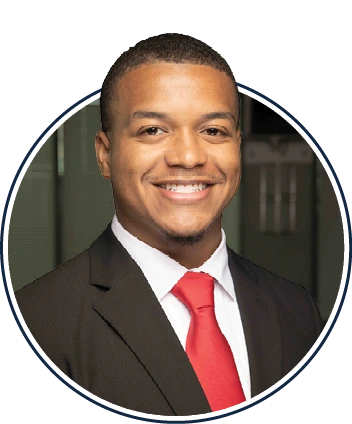
Brandon J. Poplar
Rep. Haley Stevens (MI-11)

Yama Sekandar
Rep. Sam Liccardo (CA-16)
Lillian Smith
ICCF Group and the Center for AI and Digital Policy
Stephanie Toxqui
House Committee on Education and the Workforce
Proof point:
Sarah Artiga’s journey
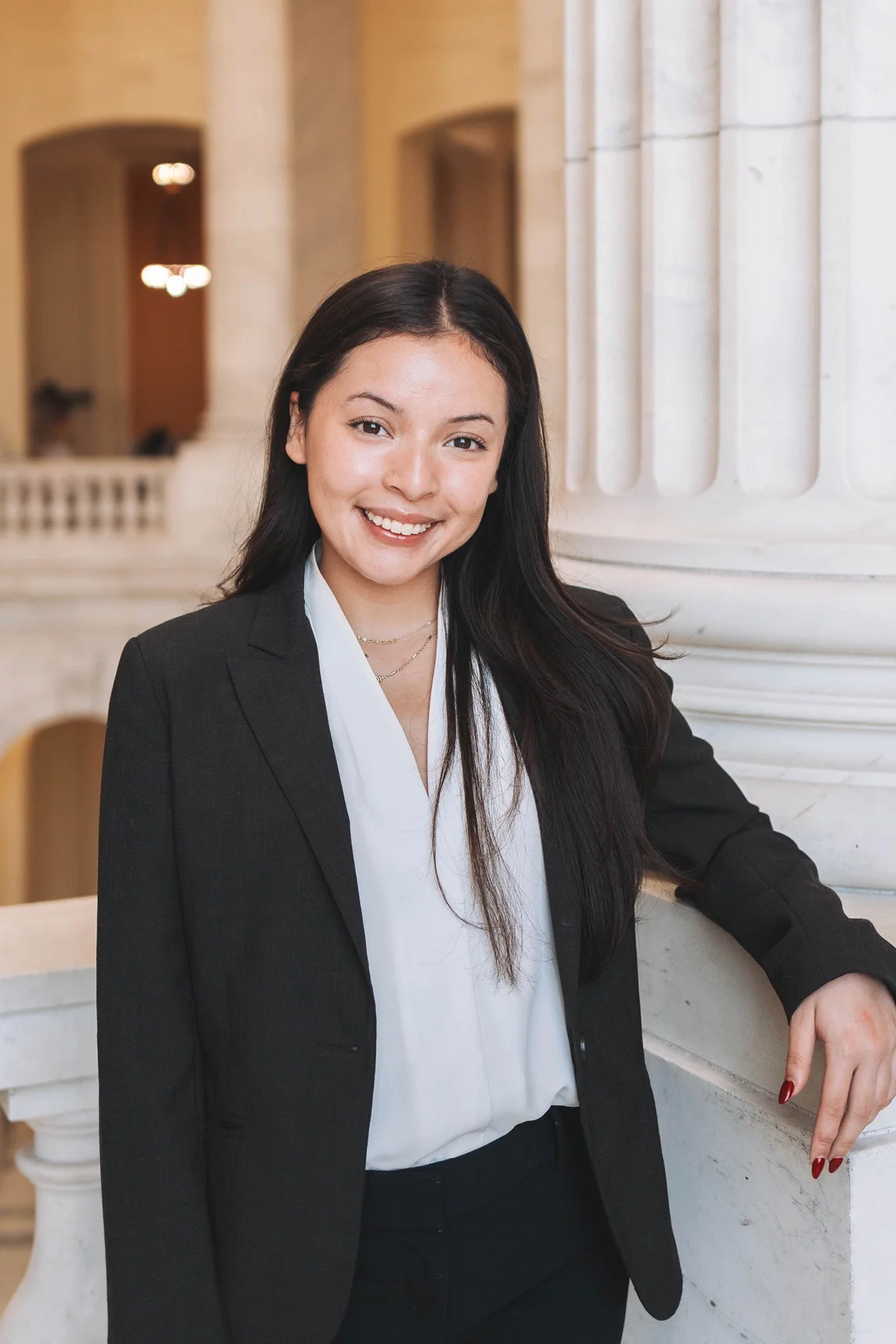
2021
Starts her path at San José State University
2024
Takes the Braven Accelerator at SJSU in the spring
2025
Participates in the Braven Capitol Hill Fellowship, working with the Senate Health, Education, Labor and Pensions (HELP) Committee minority staff and Office of Senator Bernie Sanders
2025
Graduates from San José State University
2026
Selected as one of 15 Congressional Hispanic Caucus Institute Public Policy Fellows nationwide
“My first summer on the Hill through the Braven Capitol Hill Fellowship changed everything for me. This Fellowship not only taught me the language of policy, but also allowed me to show up as my full self in these spaces. I carry that with me into every new room I walk into.”
Encouraging levels of graduation
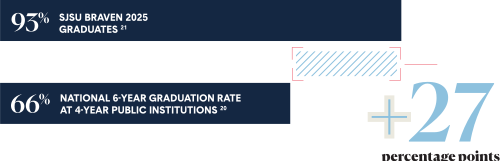
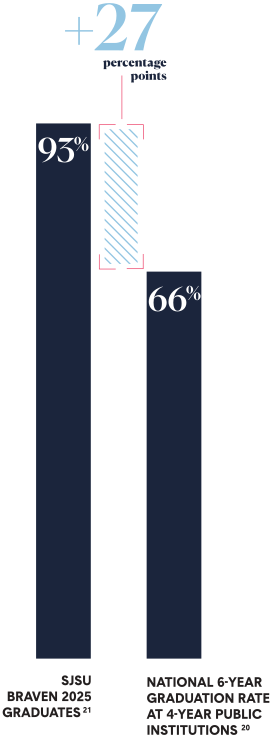
Nationally, only about 7 in 10 students graduate within six years of college enrollment.²⁰
Braven Fellows, who typically join us during their sophomore or junior year, are graduating at encouraging rates.
SJSU Braven Fellows achieved a 93% six-year on-time graduation rate.²¹

Business Management Analyst, Northrop Grumman


4
SECTION 4
Are our Fellows developing the career readiness skills, networks, and confidence needed for success?
Growth in career-readiness skills
In 2025-2026, SJSU Braven Fellows achieved an average Accelerator course pass rate of 95% and an average final grade of 91%, demonstrating strong career-readiness skill mastery.
In 2025-2026, SFSU Braven Fellows achieved an average Accelerator course pass rate of 78% and an average final grade of 76%, demonstrating strong career-readiness skill mastery.
Why these career-readiness skills? They are:
1
Grounded in what research says is needed to successfully secure a strong first opportunity
2
In high-demand from employers. However, employers report recent graduates have not sufficiently developed these skills
3
Aligned with other career-readiness frameworks such as the National Association of Colleges and Employers (NACE) career-readiness competencies and the Association of American Colleges and Universities (AAC&U)'s VALUE rubrics
The Braven experience focuses on the following seven career-readiness skills:
• Reflects on strengths, values, and interests
• Explores multiple career options
• Takes career actions such as making plans, creating a portfolio, and building networks
• Presents ideas clearly and purposefully
• Listens actively to understand and asks questions
• Demonstrates empathy and respect
• Works effectively towards shared goals
• Navigates differences
• Holds self and others accountable for deliverables
• Leads from values
• Grounds in purpose and assets
• Learns continuously from feedback and reflection
• Evaluates the ethical considerations of GenAI to guide its use
• Explores and applies GenAI strategies in the career-navigation process
• Develops proficiency with essential technological tools in your desired career field
• Defines the problem and identifies root causes
• Designs potential solutions
• Tests and implements solutions
• Plans and prioritizes tasks
• Monitors progress and adjusts when faced with challenges
• Gets things done
Networks and social capital
Extensive research has illustrated the importance of networks and social capital in career navigation and success.²²
Braven supports students to build strong networks by connecting students to professionals and helping students build the skills necessary to mobilize those networks to advance their career goals.
To measure students’ networking skills and how they activate their social capital, we leverage resources from the Search Institute.
In the 2025-2026 school year, SJSU Braven Fellows showed statistically significant growth²³ across all the following measures:
+32%
NETWORKING SELF-EFFICACY
The degree to which an individual purposefully uses relationships within their social network to reach their goals.
+29%
SELF-INITIATED SOCIAL CAPITAL
Refers to the degree to which an individual actively builds relationships and uses the relationships and the resources they have to reach their goals.
In the 2025-2026 school year, SFSU Braven Fellows showed statistically significant growth²³ across all the following measures:
+27%
NETWORKING SELF-EFFICACY
The degree to which an individual purposefully uses relationships within their social network to reach their goals.
+24%
SELF-INITIATED SOCIAL CAPITAL
Refers to the degree to which an individual actively builds relationships and uses the relationships and the resources they have to reach their goals.
Growth in Confidence Measures: Self-Efficacies
Each semester, Braven measures growth in self-efficacies from the start to the end of the Braven Accelerator.
Self-efficacy is a person’s belief in their ability to succeed in various situations and is associated with academic and lifetime success. It is not typically measured through traditional assessments like standardized tests, but plays a large role in explaining job search, career search behaviors, and career outcomes.
In the 2025-2026 school year, SJSU Braven Fellows showed statistically significant growth in Job-Search Self-Efficacy and Career Self-Efficacy.²³
+55%
JOB-SEARCH SELF-EFFICACY
Refers to students’ confidence in their ability to successfully complete the steps of the job search process.
+25%
CAREER SELF-EFFICACY
The degree to which an individual feels they can successfully reach their career goals.
In the 2025-2026 school year, SFSU Braven Fellows showed statistically significant growth in Job-Search Self-Efficacy and Career Self-Efficacy.²³
+54%
JOB-SEARCH SELF-EFFICACY
Refers to students’ confidence in their ability to successfully complete the steps of the job search process.
+27%
CAREER SELF-EFFICACY
The degree to which an individual feels they can successfully reach their career goals.

5
SECTION 5
Are we building employer and higher education partnerships with true shared value?
Employer spotlight:
Teach For America
Braven’s collaboration with Teach For America (TFA) helps open doors to the American Dream while also ensuring their alumni and staff stay proximate to the communities they care about and continue to develop leadership skills as they advance in their careers.
TFA Employee & Alumni Volunteerism during the 2025-2026 school year
7
LEADERSHIP COACHES
14
PROFESSIONAL MENTORS
28
MOCK INTERVIEWERS
~900
VOLUNTEER HOURS
Building the pipeline during the 2025-2026 school year
38
2026 BRAVEN GRADUATES ACCEPTED INTO THE TFA CORPS
20
BRAVEN FELLOWS IN COLLEGE ACCEPTED INTO TFA IGNITE
Programmatic highlights from the 2025-2026 school year
Capstone Challenge sponsor
Teach For America’s Reinvention Lab served as a Capstone Partner for BravenX in Spring 2026, asking Fellows to explore how young people can showcase digital media skills.
8
EVENTS CO-HOSTED FOR BRAVEN FELLOWS
“At Teach For America, we know that the future of this country depends on who has access to opportunity, and Braven is getting that right. The talent that comes through Braven’s programs is remarkable: driven, prepared, and deeply committed to making a difference in their communities. Their work is not just developing the next generation of professionals; it’s building the next generation of leaders our nation needs.”
— Aneesh Sohoni
Chief Executive Officer, Teach For America

2025-2026 Braven National Faculty Council
The Braven National Faculty Council is a distinguished collective of faculty leaders from Braven's partner institutions.
Faculty have deeply informed our model from the start. Launched in FY25, the Council formalized that engagement, bringing educators' voices directly into the evolution of our curriculum. In its second year, the Council expanded to include participation across eight of our partner institutions and deepened its impact—delivering substantive guidance on AI ethics and Capstone design, and strengthening alignment between the Capstone Challenge and AAC&U's high-impact practices.
City College of New York
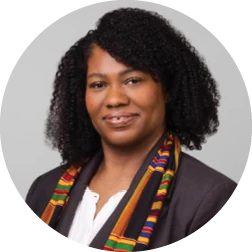
Naomi Nwosu-Stewart
Assistant Vice President of Enrollment Management
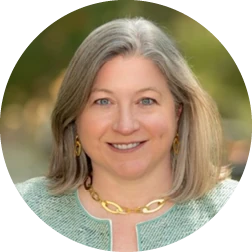
Renata Miller
Dean of the Division of Humanities and the Arts & Professor of English
Delaware State University
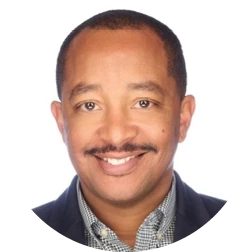
Kimeu Boynton
Associate Professor in Sociology and Criminal Justice & Interim Assistant Dean of the College of Humanities, Education, and Social Sciences
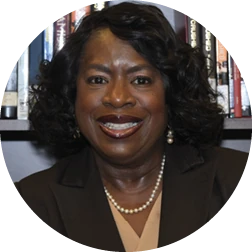
Phyllis Brooks Collins
Founding Program Director and Assistant Professor for the Integrated Studies Program
National Louis University
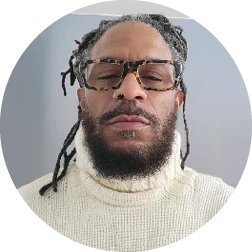
David O'Neale Corbin Jr.
Senior Student Success Coach
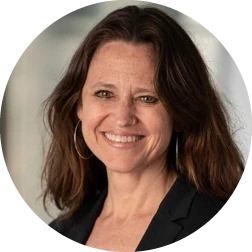
Natasha Kohl
Director of the Undergraduate Honors Program & Director of the University Writing Initiative

Uzoma Obidike
Director and Assistant Professor of Undergraduate Career Development
Spelman College

Anastasia Valecce
Associate Professor of Spanish (Hispanic Studies)
Northern Illinois University

Alicia Schatteman
Vice Provost for Academic Affairs & Professor
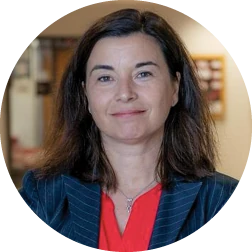
Andrea Radasanu
Director of the University Honors Program, Assistant Vice Provost for Student Enhancement
Rutgers University-Newark
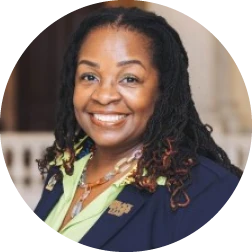
Hyacinth Miller
Assistant Teaching Professor in the Departments of Africana Studies and Political Science & Study Abroad Director
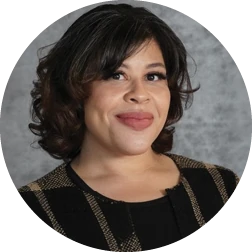
Kaleena Rogers
Associate Director of Practicum Education
San José State University
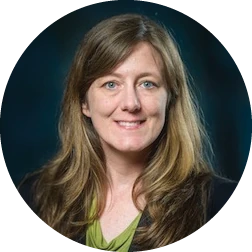
Mary Currin-Percival
Associate Professor of Political Science; Director, Institute for Public Affairs and Civic Engagement (IPACE); Founding Director, SJSU Votes
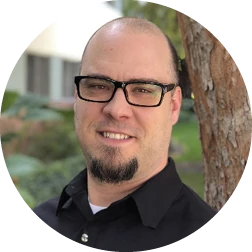
Ryan Skinnell
Professor of Rhetoric & Writing; Director of First-Year Writing
Yolanda Wiggins
Assistant Professor in the Department of Sociology & Interdisciplinary Social Sciences
San Francisco State University
Jeff Duncan-Andrade
Professor of Latina/o Studies and Race and Resistance Studies; Founder of the Roses in Concrete Community School
Higher Education Partners
Chicago State University
City College of New York
Delaware State University
Illinois Institute of Technology (launched Fall 2026)
Kean University (launched Fall 2026)
University of Mount Saint Vincent (launched Fall 2026)
National Louis University
Northern Illinois University
Rutgers University-Newark
San Francisco State University
San José State University
Spelman College
The University of Massachusetts Lowell
University of North Texas
BravenX Partners
Academy Charter High School
Achieve Atlanta
Associated Colleges of Illinois
At The Table NYC
Augustana College
Birmingham Promise
CARA NYC
Camino Nuevo Charter Academy
Carmen Schools of Science & Technology
Chicago Scholars
City Year
Common Ground Foundation
Coney Island Prep Public Schools
Cooperman College Scholars
Cristo Rey Network
Daniel Murphy Scholarship Fund
Delta Sigma Phi
Dream Charter School
Eagle Academy Foundation
East Harlem Tutorial Program
El Dorado Promise
Eureka College
Excel Academy Charter School
Excellence Community Schools
Fidelity Scholars
Hendrix College
Horatio Alger Association
IDEA Public Schools
Illinois College
KIPP Forward (Post-Secondary Success Collaborative)
KIPP Massachusetts
Knox College
LISA Academy
Meeting Street Scholarship Fund
Millikin University
North Central College
Prospect Schools
Quincy University
Rivet School
Rockford University
SEEDS
The Noble Network of Charter Schools
The Wight Foundation
Tulsa Honor Academy
Uncommon Schools
University Settlement
Uplift Education
UtmostU
BRAVENX PARTNERS
Academy Charter High School
Achieve Atlanta
Associated Colleges of Illinois
At The Table NYC
Augustana College
Birmingham Promise
CARA NYC
Camino Nuevo Charter Academy
Carmen Schools of Science & Technology
Chicago Scholars
City Year
Common Ground Foundation
Coney Island Prep Public Schools
Cooperman College Scholars
Cristo Rey Network
Daniel Murphy Scholarship Fund
Delta Sigma Phi
Dream Charter School
Eagle Academy Foundation
East Harlem Tutorial Program
El Dorado Promise
Eureka College
Excel Academy Charter School
Excellence Community Schools
Fidelity Scholars
Hendrix College
Horatio Alger Association
IDEA Public Schools
Illinois College
KIPP Forward (Post-Secondary Success Collaborative)
KIPP Massachusetts
Knox College
LISA Academy
Meeting Street Scholarship Fund
Millikin University
North Central College
Prospect Schools
Quincy University
Rivet School
Rockford University
SEEDS
The Noble Network of Charter Schools
The Wight Foundation
Tulsa Honor Academy
Uncommon Schools
University Settlement
Uplift Education
UtmostU
Employer Partners
LEAD ($250K+ and programmatic support)
Adobe
Blackstone Charitable Foundation
Deloitte
JPMorgan Chase Foundation
LinkedIn
Morgan Stanley
NBA Foundation
ANCHOR ($100K+ and programmatic support)
Atlassian
CIBC Foundation
Cognizant US Foundation
The College Board
KEYSTONE ($25K+ and programmatic support)
Audible
Berkshire Hathaway Specialty Insurance
Blackbaud
Nerdwallet
Pathward N. A.
PwC
Ripple
Silver Lake
Taco Bell Foundation
UBS
United Airlines
IMPACT ($5K+ and/or programmatic support)
Brown Advisory
Catalina
Cisco
City Year
Enkey.ai
Exelixis
Google
Hacker Dojo
Hispanic Foundation of Silicon Valley
Micron Technology, Inc.
NetApp
Oakland Roots SC
San Francisco Chamber of Commerce
San Francisco Giants
San Francisco Public Library
SAP Americas
Sutter Health
Teach For America
Texas Instruments
The California Community Colleges’ Digital Center
Unacast
Vanguard
Wu Yee Children’s Services
Philanthropic Supporters ($10k+)
Anonymous
Arrow Impact
College Futures Foundation
Crankstart Foundation
Deloitte Foundation
Give Forward Foundation
Grace & Steve Voorhis
John Matthew Sobrato & Andie Sobrato
Julie and Greg Flynn
MR Macgill
Sobrato Family Foundation
Stupski Foundation
Tammy & Bill Crown
Tipping Point Community
William and Charlene Glikbarg Foundation
Younger Family Fund
A big thank you to our Bay Area Board of Directors:
Julie Aleman
Abigail “Abby” Smith
Carlos Flores
Charlie Wolfson
Jessica García-Kohl
Muna Sheikh
Sunita Suryanarayan
Contributors to San Francisco State University in Support of Braven’s Launch
San Francisco Federal Credit Union
Visa
Financial Accounting Advisory Analyst (FAAS) Staff, EY
ENDNOTES
1. 17,404 Fellows have completed the Braven Accelerator course to date; this includes core sites from FY2026 (BravenX, City College of New York, Delaware State University, Northern Illinois University, Rutgers University-Newark, San Francisco State University, San Jose State University, and Spelman College) and non-core sites (National Louis University, University of Massachusetts Lowell, and University of North Texas).
2. The percentage of students not on the path to the American Dream is an estimate of the percentage of Pell-Grant or first-generation students who have graduated but have not secured a quality job post college. This cohort is based on the latest data available and is the total fall 2022 enrollment of first-time degree/certificate-seeking students in degree-granting postsecondary institutions (NCES 2023 Digest of Education Statistics table 305.10) and the total fall 2021 enrollment of 2YR > 4YR transfers (NSC Research Center Fall 2023 Transfer and Progress Report). Based on this cohort, the percent of students not on path to the American Dream is calculated leveraging the following sources: “Percentage of Undergraduates Receiving Pell Grant in 2022-2023” NCES 2023 IPEDS Trends Generator; “Number of Full-Time, First-Time Degree/Certificate-Seeking Undergraduate Students... by Type of Aid Received” NCES 2020 IPEDS Data Explorer table 20; “Total Undergraduate Fall Enrollment in Degree-Granting Postsecondary Institutions, by Attendance Status, Sex of Student, and Control and Level of Institution: Selected Years, 1970 through 2031” NCES 2023 Digest of Education Statistics table 303.70; Trends in first-generation Students: College Access, Persistence, and Postbachelor’s Outcomes NCES 2018 First Generation Students Report; Trends in Pell Grant Receipt and the Characteristics of Pell Grant Recipients: Selected Years, 2003–2004, 2015–2016 NCES 2019 IPEDS Trends Generator; NACE 2025 First Destination Survey and September 2025 Federal Reserve Bank of New York Underemployment Rate.
3. Blankenship, Molly, et al. The American Job Quality Study: 2025 State of the U.S. Labor Force. Jobs for the Future / Families and Workers Fund / Gallup, Oct. 2025, https://www.jff.org/wp-content/uploads/2025/10/AmericanJobQualityReport_Final_10142025.pdf. Accessed 24 Feb. 2026. For the accompanying graph, a quality job is defined as one that allows workers to meet their basic financial needs, feel safe and respected, grow their skills, have a voice in decisions that affect them, and exercise some control over their time and work.
4. Morris, Catherine, et al. The Major Payoff: Evaluating Earnings and Employment Outcomes Across Bachelor’s Degrees. Georgetown University Center on Education and the Workforce, 2025, cew.georgetown.edu/major-payoff. Accessed 24 Feb. 2026.
5. Kessler, Sarah. “The Rise of the Robot Job Seeker.” The New York Times, 21 June 2025, https://www.nytimes.com/2025/06/21/business/dealbook/ai-job-applications.html. Accessed 24 Feb. 2026.
6. Job Outlook 2025. National Association of Colleges and Employers, Jan. 2025,https://naceweb.org/docs/default-source/default-document-library/2025/publication/research-report/2025-nace-job-outlook-jan-2025.pdf. Accessed 24 Feb. 2026.
7. 43% is the percentage of Fellows who secured a quality job or enrolled in graduate school. All outcome percentages are based on Fellows for which their post-graduation outcome is known (89% or 100 out of the total 112 SJSU graduates in FY2025 has a known outcome).
8. Braven defines quality outcome attainment using the following methodology:
a. Quality outcome: Fellow enrolls in graduate school or secures a job that requires a BA/BS, is full-time, and is paid.
b. Part-quality outcome: Fellow secures a job that is paid, aligns with long-term career interests, and meets at least one of the criteria below:
i. Requires a bachelor’s degree
ii. Is full-time
iii. Offers employer-provided benefits
iv. Earns >35k per year
v. Builds record of achievement/resume
vi. Builds transferable skills, especially within career interests
c. Not quality: Fellow secures a job that is paid, but does not meet the criteria of a part-quality or quality
job.
d. Unemployed: Fellow is unemployed.
9. Fellow internship attainment is derived from a combination of Fellow self-report data, LinkedIn profiles, and Braven staff report from ongoing career coaching conversations.
10. 27% is the percentage of Fellows who enrolled in graduate school. This percentage is based on Fellows for which their post-graduation outcome is known (89% or 100 out of the total 112 SJSU graduates in FY2025 has a known outcome).
11. National Student Aid Profile: Overview of 2024 Federal Programs. National Association of Student Financial Aid Administrators, 2024, https://www.nasfaa.org/uploads/documents/2024_National_Profile.pdf. Accessed 24 Feb. 2026.
12. Job Outlook 2026: Spring Update. National Association of Colleges and Employers, Apr. 2026, https://naceweb.org/docs/default-source/default-document-library/2026/publication/research-report/2026-job-outlook-report-spring-update.pdf. Accessed 25 July 2026.
13. The Labor Market for Recent College Graduates. Federal Reserve Bank of New York, https://www.newyorkfed.org/research/college-labor-market#--:explore:unemployment. Accessed 25 July 2026.
14. Course Pass Rate represents the percentage of students who received an A-C out of the total number of students enrolled at the end of the semester. This value does not include students who withdrew throughout the semester.
15. Low-income is defined as whether the student is Pell-eligible as determined by partner college roster files or Braven Fellow self-report data.
16. First-generation is defined as the Braven Fellow identifying as a student who is the first in their immediate family to attend or graduate from a four-year college or university.
17. The 2024 Student Survey Report, Four-Year Schools: Executive Summary. National Association of Colleges and Employers, Sept. 2024, https://naceweb.org/docs/default-source/default-document-library/2024/publication/executive-summary/2024-nace-student-survey-executive-summary-four-year.pdf. Accessed 25 July 2026.
18. Clayton, Dave, et al. From College to Career: Students’ Internship Expectations and Experiences. Strada Education Foundation, 17 May 2023,https://www.strada.org/reports/from-college-to-career-students-internship-expectations-and-experiences. Accessed 24 Feb. 2026.
19. Change in internship attainment is measured by the percentage of students who self-reported at least one internship at the beginning of the Braven course on the pre-accelerator survey and comparing it to the percentage of students who self-reported at least one internship at the end of the Braven course on the post-accelerator survey.
20. The National Comparison represents the six-year graduation rate for the 2018 cohort of full-time, first-time Pell Grant recipients at four-year public Title IV institutions. This rate is adjusted to account for year-over-year persistence from freshman through junior year. Data is synthesized from the NCES IPEDS Data Explorer (2024), the Digest of Education Statistics (2021), and American Institutes for Research (2023).
21. Six-year graduation rate of Braven Fellows includes students who enrolled as first-time freshmen at SJSU and RU-N, not including those who took Braven as seniors, transfers, or international students. SJSU and RU-N are the only FY2025 core sites included in the six-year graduation rate calculation because they have reached a threshold of graduates to date (200+) for which we have both valid enrollment and graduation data.
22. Boat, A. A., Syvertsen, A. K., & Scales, P. C. (2021). The role of social capital in promoting work readiness among opportunity youth. Children and Youth Services Review, 131, 106270. https://doi.org/10.1016/j.childyouth.2021.106270.
23. Search Institute (2021). Social capital assessment and learning for equity measures: User manual. Minneapolis, MN: Search Institute.
Braven takes root in Dallas-Fort Worth
In Spring 2026, Braven launched its new region, Dallas-Fort Worth (DFW), in partnership with the University of North Texas.
“More than 40 percent of our students are the first in their families to attend college, and they bring extraordinary talent and ambition. Braven helps ensure that talent translates into strong first opportunities after graduation.”
–Harrison Keller, Ph.D. President, University of North Texas

Greater Boston: a new chapter begins
Braven also launched a new region in Greater Boston with a new site at University of Massachusetts Lowell.
“UMass Lowell is deeply committed to ensuring that each of our undergraduate students has the opportunity to launch a strong career. Partnering with Braven strengthens that commitment.”
–Julie Chen Chancellor, UMass Lowell
